
Getting the Best Out of Your Contact Lenses

Contact lenses can provide clear, comfortable vision and great freedom in everyday life. Modern lenses are designed to be breathable, convenient, and safe when worn correctly.

However, the key to enjoying contact lenses long-term is good lens habits and proper eye care. Small daily steps can help keep your eyes comfortable, reduce the risk of irritation or infection, and ensure your lenses perform at their best.

At Illume Eye Care in Auckland, we work closely with our patients to ensure they feel confident wearing and caring for their contact lenses.

Here are some simple tips to help you get the best out of your lenses.


Follow the Recommended Wearing Schedule

Every type of contact lens has a recommended wearing time and replacement schedule.

For example:

  • Daily disposable lenses should be worn once and discarded at the end of the day

  • Fortnightly or monthly lenses must be cleaned and replaced according to the schedule provided

  • Specialty lenses may have specific care routines

Wearing lenses longer than recommended can reduce oxygen to the eye and increase the risk of irritation or infection.

Keep Your Hands Clean

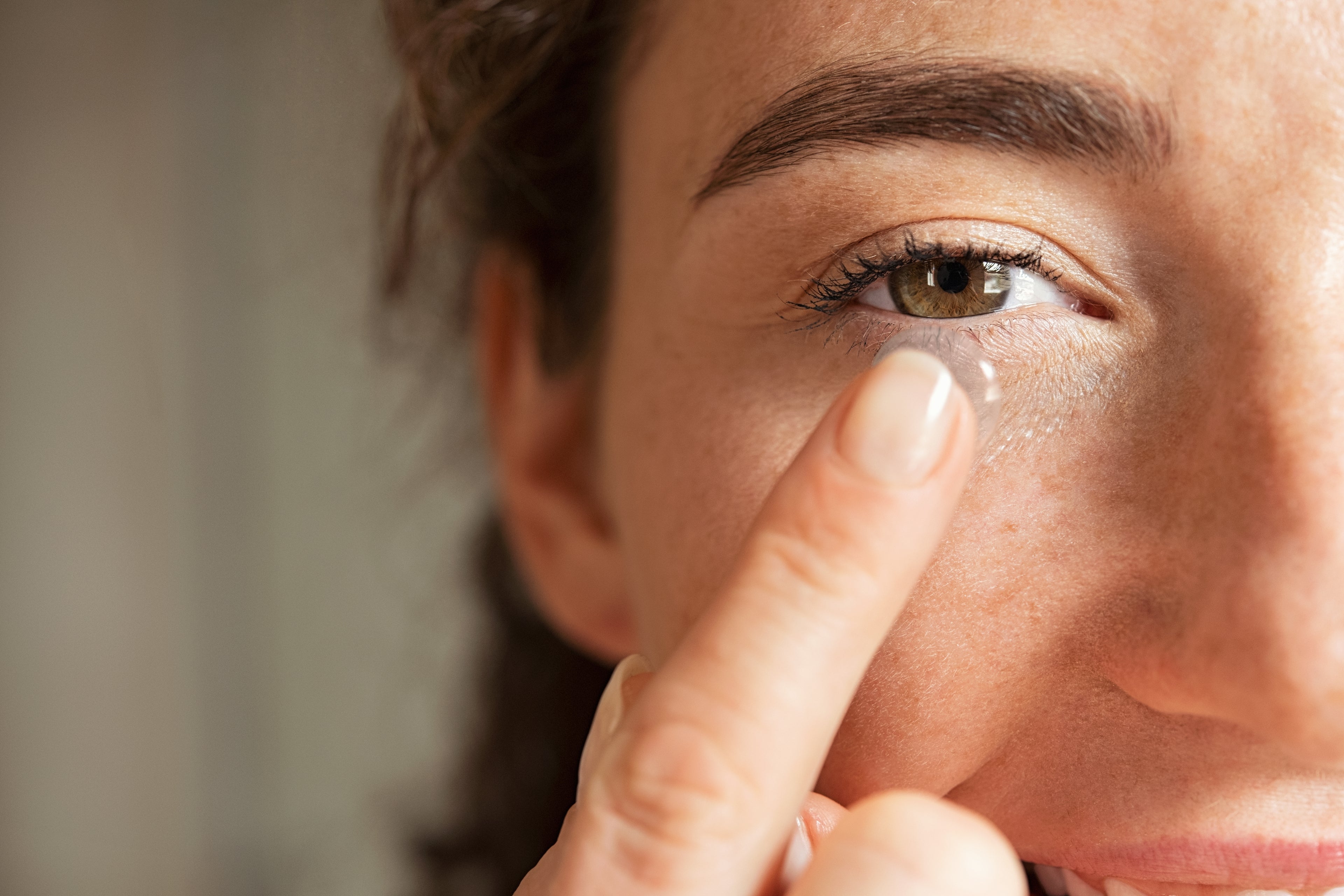
Always wash and dry your hands thoroughly before inserting or removing your contact lenses.

This simple step helps prevent bacteria, oils, or debris from transferring onto the lens surface and into the eye.

Avoid touching lenses with:

  • Wet or soapy hands

  • Moisturiser or cosmetics on your fingers

  • Dirty towels or cloths

Use the Correct Cleaning Solutions

If you wear reusable lenses, always use the recommended contact lens cleaning solution provided by your optometrist.

Avoid using:

  • Tap water

  • Saliva

  • Homemade solutions

Water can contain microorganisms that may lead to serious eye infections.

Always follow the rub, rinse, and store routine if advised for your lens type.

Replace Your Lenses on Time

Contact lenses are designed with specific replacement intervals to ensure they remain safe, comfortable, and hygienic.

Over time lenses can accumulate:

  • Protein deposits

  • Lipids from the tear film

  • Environmental debris

  • Bacteria and biofilms

Replacing lenses on schedule helps maintain clear vision and comfortable wear.

Never Sleep in Lenses Unless Advised

Sleeping in contact lenses can significantly increase the risk of eye infection unless the lenses are specifically prescribed for overnight wear.

Your optometrist will advise you if overnight wear is appropriate for your lens type, such as Orthokeratology lenses, which are designed to be worn during sleep.

Support Your Tear Film and Eye Health

Healthy eyes help contact lenses feel more comfortable.

Simple habits that support eye health include:

  • Staying well hydrated

  • Taking breaks from screens

  • Maintaining good eyelid hygiene

  • Managing dry eye symptoms if present

If you notice increasing dryness or discomfort, an optometrist can assess your eyes and recommend treatments or adjustments to your lenses.

Attend Regular Contact Lens Check-Ups

Even if your lenses feel comfortable, regular contact lens reviews are important.

During these appointments we check:

  • Lens fit and movement

  • Eye health and oxygen supply to the cornea

  • Tear film quality

  • Vision and prescription

Regular reviews help ensure your lenses remain safe and suitable for your eyes over time.

Know When to Remove Your Lenses

Remove your contact lenses and seek advice if you experience:

  • Redness

  • Pain or discomfort

  • Light sensitivity

  • Sudden blurred vision

  • Excessive watering or discharge

These symptoms can indicate irritation or infection and should always be assessed promptly.

Expert Contact Lens Care at Illume Eye Care

At Illume Eye Care in Ponsonby, Auckland, we provide personalised contact lens fittings and ongoing support to help you wear lenses comfortably and safely.

Whether you wear daily disposable lenses, multifocal lenses, orthokeratology lenses, or specialty lenses, our team will guide you on the best care routine for your eyes.

If you have questions about your contact lenses or would like to explore new options, we are always happy to help.

Book a contact lens consultation with our team.


Want personalised advice? Book a contact lens consultation to explore your options.


Frequently asked questions about Contact Lenses

Do I need a contact lens fitting if I already know my glasses prescription?

Yes. Glasses prescriptions and contact lens prescriptions are different. A contact lens fitting assesses:

  • Lens curvature and siameter
  • Eye surface health
  • Tear film stability
  • Lens movement and fit
  • Oxygen requirements

Ordering lenses without professional fitting can increase the risk of discomfort and complications.

What happens during a contact lens fitting?

A comprehensive contact lens assessment includes:

  • Prescription testing
  • Corneal measurements
  • Tear film and dry eye assessment
  • Lifestyle discussion
  • Lens trial fitting
  • Insertion and removal training
  • Aftercare planning

Specialty lenses such as OrthoK or scleral lenses may require advanced imaging and additional follow-up visits.

You can find out more here

How often should contact lenses be checked?

Even if your lenses feel comfortable, regular contact lens reviews are important to monitor:

  • Eye health
  • Corneal oxygenation
  • Tear film quality
  • Lens fit
  • Prescription changes and Vision
  • Early complications

Most patients benefit from annual reviews, though some specialty lens patients require more frequent monitoring.

Are contact lenses safe?

Yes — contact lenses are very safe when fitted properly and worn as advised by your optometrist. Modern contact lenses are highly breathable and designed for comfort and eye health.

The biggest risks usually come from poor hygiene, overwearing lenses, sleeping in lenses not designed for overnight wear, or using tap water with lenses.

Proper fitting, regular reviews, and good lens care dramatically reduce complications.

Can I wear contact lenses if I have dry eyes?

Often, yes. Many people assume dry eye means they can’t wear contact lenses, but modern lens materials and personalised management can make contact lenses comfortable again.

At Illume Eye Care, we assess:

  • Tear quality and tear stability
  • Meibomian gland function
  • Inflammation and blepharitis
  • Digital eye strain
  • Lens material compatibility

For many patients, daily disposable lenses, silicone hydrogel lenses, scleral lenses, or orthokeratology lenses may actually improve comfort compared with standard soft lenses.

What are the best contact lenses for dry eyes?

There is no single “best” contact lens for dry eyes — the right option depends on your eyes, tear film, lifestyle, and prescription.

Some patients do best with:

  • Daily disposable lenses
  • Silicone hydrogel lenses
  • Lower water content lenses
  • Specialty scleral lenses
  • Orthokeratology lenses

Comfort is influenced by lens fit, lens design, blinking patterns, environment, and eyelid health — not just the lens brand alone.

Can children wear contact lenses?

Absolutely. Many children successfully wear contact lenses for sport, confidence, convenience, and myopia management.

Children are often excellent contact lens wearers because they:

  • Follow routines well
  • Adapt quickly
  • Enjoy freedom from glasses
  • Can benefit from myopia control technologies

At Illume Eye Care, we commonly fit children with:

  • Myopia management soft lenses
  • Orthokeratology (OrthoK)
  • Daily disposable lenses for sport and activities
What is Orthokeratology (OrthoK)?

Orthokeratology, or OrthoK, uses specially designed overnight contact lenses to gently reshape the front surface of the eye while you sleep.The lenses are removed in the morning, allowing clear daytime vision without glasses or contact lenses.

While suitable for adults, OrthoK is also one of the most evidence-supported methods for slowing childhood myopia progression.

You can read more on OrthoK here

Is OrthoK safe?

Yes — when properly fitted and monitored, OrthoK has a strong safety profile comparable to many reusable soft contact lenses.

Good hygiene and regular follow-up care are essential. 

We provide detailed training on:

  • Lens insertion and removal
  • Cleaning and disinfection
  • Safe overnight wear
  • Recognising warning signs of complications
Can contact lenses slow myopia in children?

Yes. Certain contact lenses are specifically designed to help slow the progression of short-sightedness (myopia) in children.

These include:

  • Orthokeratology lenses
  • Multifocal soft contact lenses
  • Specialty myopia control lens designs including MiSight and Acuvue Abiliti

Slowing myopia progression can help reduce the long-term risk of retinal detachment, glaucoma, myopic maculopathy, and other eye disease later in life.

You can read more about Myopia Management here

Can I wear contact lenses with astigmatism?

Yes. Modern toric contact lenses can successfully correct most levels of astigmatism and provide excellent vision. 

There are soft toric lenses including daily disposables, rigid lenses, hybrid lenses, and specialty lens designs available depending on your prescription and eye shape.

Can I wear contact lenses if I need reading glasses?

Yes. Multifocal contact lenses can help correct both distance and near vision, reducing the need for reading glasses.

Options may include:

  • Multifocal soft lenses
  • Monovision
  • Multifocal rigid lenses
  • Multifocal OrthoK in some cases

Many patients in their 40s, 50s, and beyond continue wearing contact lenses very successfully.

You can read more about multifocal contact lenses here

Are daily disposable lenses better?

For many patients, daily disposable lenses are the healthiest and most convenient option because you start with a fresh sterile lens each day.

Benefits may include:

  • Superior comfort
  • Reduced allergy symptoms
  • Reduced deposit build-up
  • Lower infection risk
  • No cleaning required
  • Ideal for occasional wear or travel

However, reusable lenses can still be excellent options depending on prescription, dry eye status, and lifestyle.

Can I sleep in my contact lenses?

Only if specifically advised by your optometrist.

Most standard soft contact lenses should be removed before sleep.

Sleeping in lenses increases the risk of infection and inflammation. 

Orthokeratology lenses are specifically designed for overnight wear and are managed differently.

Why do my contact lenses become uncomfortable by the end of the day?

This is extremely common and can happen for many reasons, including:

  • Dry eye disease
  • Meibomian gland dysfunction
  • Digital eye strain
  • Poor blinking
  • Allergies
  • Lens deposits
  • Inappropriate lens material
  • Incorrect fit

Many people assume discomfort is “normal,” but often there are solutions available.

What should I do if my contact lenses suddenly become uncomfortable?

Remove the lenses and avoid wearing them again until your eyes have been assessed. Key warning signs of a problem include:

  • Pain
  • Redness
  • Light sensitivity
  • Discharge
  • Sudden blurred vision
  • Excessive watering

These symptoms can indicate infection or inflammation and should be reviewed promptly.

Can contact lenses damage my eyes?

Healthy contact lens wear should not damage your eyes when lenses are:

  • Properly fitted
  • Worn correctly
  • Replaced as directed
  • Reviewed regularly

Problems are more likely when lenses are overworn, slept in, poorly cleaned, purchased without professional fitting or with an expired prescription, or worn despite discomfort.

Can I wear contact lenses while using screens all day?

Yes, but screen use can worsen dryness and contact lens discomfort because we blink less while concentrating on screens. Helpful strategies include:

  • Conscious blinking
  • Screen breaks
  • Preservative-free lubricating drops
  • Optimising screen height
  • Managing dry eye disease
  • Choosing appropriate lens materials

Read more on Digital Eye Strain here

Can I swim or shower in contact lenses?

It is best to avoid water exposure while wearing contact lenses. Tap water, pools, spas, lakes, and showers can expose lenses to microorganisms including Acanthamoeba, a rare but serious eye infection risk.

What specialty contact lenses does Illume Eye Care offer?

At Illume Eye Care, we provide a wide range of contact lens options including:

  • Soft contact lenses
  • Daily disposable lenses
  • Multifocal lenses
  • Toric lenses for astigmatism
  • Orthokeratology (OrthoK)
  • Myopia management lenses
  • Rigid gas permeable lenses
  • Keratoconus and irregular cornea lenses
  • Dry eye-friendly specialty lenses

We combine advanced diagnostics with personalised fitting to help patients achieve healthier, more comfortable vision.

Illume Eye Care in Ponsonby, Auckland provides expert contact lens fitting for children, adults, dry eye patients, and complex prescriptions.

Whether you’re completely new to contact lenses or looking for more comfortable options, our team can help you find the right solution for your eyes, lifestyle, and long-term eye health.